


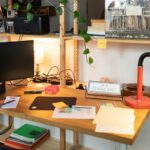

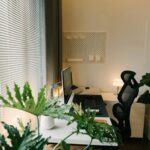
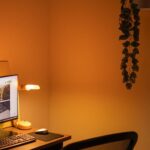
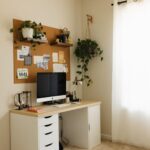


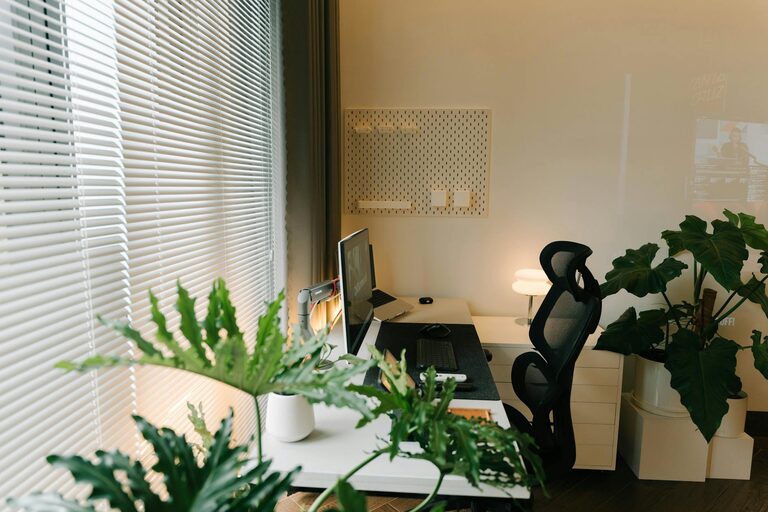
Creating a relaxing home workspace is essential for maintaining focus, reducing stress, and enhancing productivity, especially in an age where many people work from home. A comfortable and inviting environment helps you stay motivated and enjoy your workday, balancing efficiency with well-being. In this post, we’ll explore practical tips to transform any area in your home into a calming and productive workspace.
Choose the Right Location
Find a Quiet Spot
Select a space in your home that is naturally quiet or has minimal distractions. Avoid high-traffic areas or places near household noise sources like the TV or kitchen.
Consider Natural Light
Position your workspace near a window to enjoy natural daylight. Exposure to natural light improves mood and alertness. If natural light is limited, use bright, soft lighting that mimics daylight.
Invest in Comfortable Furniture
Ergonomic Chair
A supportive chair is vital. Look for adjustable chairs that promote good posture and reduce strain on your back and neck. Comfort allows you to focus longer without discomfort.
Functional Desk
Choose a desk that fits your space and workflow. Whether it’s a traditional desk, standing desk, or a compact table, ensure it is sturdy and at the right height for your needs.
Organize to Minimize Clutter
Use Storage Solutions
Declutter your workspace by using shelves, organizers, or drawers. Keep only essentials on your desk to create a clean and inviting area.
Cable Management
Tidy up cords and cables with clips or sleeves to avoid a tangled mess. This not only looks better but also prevents distractions and accidents.
Personalize Your Workspace
Add Plants
Incorporate some greenery with small plants or succulents. Plants help purify the air and provide a visually calming effect.
Choose Soothing Colors
Use calming tones like soft blues, greens, or neutrals in your workspace decor. These colors can reduce anxiety and create a peaceful atmosphere.
Display Inspirational Items
Keep a few meaningful photos, quotes, or objects that inspire you visible. These can boost your mood and motivation throughout the day.
Incorporate Elements for Relaxation
Break Area
If space allows, set up a small corner nearby with comfortable seating for breaks. A place to step away from your desk helps reset your mind.
Aromatherapy
Consider using a diffuser with calming scents like lavender or eucalyptus. Aromatherapy can reduce stress and help maintain focus.
Background Sounds
Some people find soft background sounds like white noise or nature sounds helpful for concentration. Experiment with what makes you feel relaxed.
Maintain Good Lighting
Layered Lighting
Use a combination of ambient, task, and accent lighting. Ambient lighting illuminates the entire room, task lighting focuses on work surfaces, and accent lighting highlights decor or plants.
Avoid Glare
Position your monitor and lights to prevent glare that strains your eyes, helping reduce fatigue.
Schedule Regular Breaks and Stretching
Set reminders to stand, stretch, or take short walks. Moving regularly prevents stiffness and improves circulation, which helps maintain energy and focus.
Keep Technology in Check
Limit Distractions
Turn off non-essential notifications and close unrelated tabs or apps while working. Consider apps that block distracting websites during work hours.
Organize Digital Files
Just as a physical tidy desk improves workflow, an organized computer desktop and folder system reduces confusion and helps you find what you need quickly.
Maintain a Consistent Routine
Having a clear start and end to your workday helps maintain work-life balance. Dressing for work and following a daily schedule can psychologically prepare you to focus and relax when the day is done.
—
Creating a relaxing home workspace involves thoughtful design and good habits. By considering your environment, comfort, and mental well-being, you can enjoy a space that makes working from home more enjoyable and productive. Try incorporating these tips step-by-step to see what changes make the biggest difference for you.