









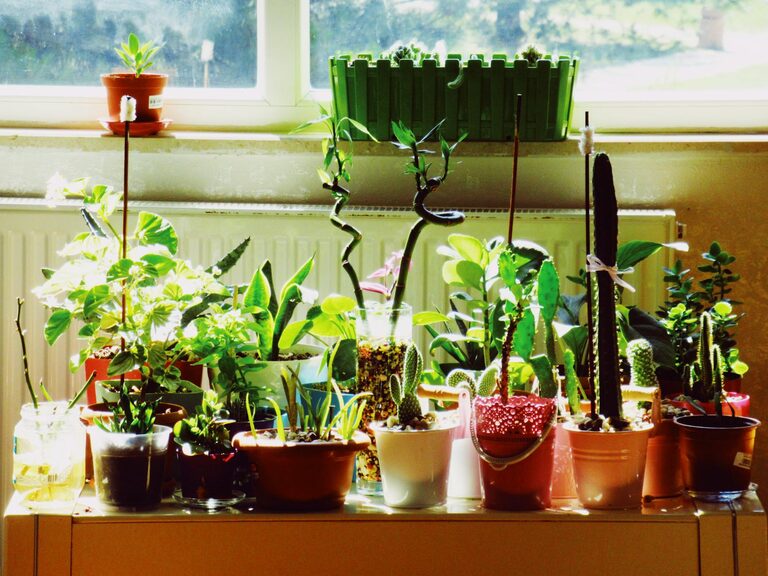
Bringing houseplants into your home decor is more than just a design trend—it’s a simple and effective way to enhance your living space. Whether you have a green thumb or are just starting out, incorporating plants can offer a variety of benefits that go beyond aesthetics. In this article, we’ll explore the many advantages of adding houseplants to your home, why they work well in different rooms, and some tips for choosing the right plants.
Why Choose Houseplants for Your Home?
Houseplants have become popular for several good reasons. Not only do they add a natural touch and a splash of color, but they also promote a healthier and happier environment. Here are some key benefits:
1. Improved Air Quality
Plants act as natural air purifiers by absorbing carbon dioxide and releasing oxygen. Many common houseplants filter toxins from the air, such as formaldehyde, benzene, and ammonia, which can be found in pollution, cleaners, and furniture materials. Some of the best air-purifying plants include:
– Spider plant
– Snake plant
– Peace lily
– Boston fern
By improving indoor air, houseplants can help create a fresher atmosphere, especially in homes that lack good ventilation.
2. Enhanced Mood and Well-being
Being around greenery has a calming effect on the mind. Studies show that houseplants can reduce stress, anxiety, and fatigue while boosting your overall mood and productivity. Taking care of plants can also provide a sense of accomplishment and purpose—ideal for those who enjoy a mindful hobby.
3. Natural Humidifiers
Plants release moisture into the air through a process called transpiration. This can add humidity to dry rooms, which is particularly helpful in winter months when heating systems may dry out the air. Proper humidity levels can reduce skin dryness and respiratory issues.
How to Incorporate Plants into Your Decor
Houseplants fit well in almost any room and can complement a wide range of interior styles. Here are some ideas for placing plants thoughtfully around your home:
Living Room
The living room is a great space to showcase larger plants or collections of smaller ones. Consider using tall plants like fiddle leaf figs or rubber plants in corners to add height and interest. Shelves can hold a variety of small potted plants, including succulents or trailing vines.
Bedroom
Add peace lilies or snake plants to your bedroom to improve air quality while you sleep. Smaller plants on nightstands or windowsills create a calming vibe without taking up much space.
Kitchen
Herb plants such as basil, rosemary, or mint can brighten up a kitchen windowsill and provide fresh ingredients for cooking. Plus, their scents add to a vibrant kitchen atmosphere.
Bathroom
Choose plants that thrive in humid conditions like ferns, orchids, or pothos. These plants can thrive on bathroom shelves or near mirrors, adding a touch of luxury to your daily routine.
Tips for Caring for Houseplants
To make the most of your houseplants, keep these simple care tips in mind:
– Light: Different plants need varying amounts of sunlight. Check the requirements before choosing a plant for a specific spot.
– Water: Avoid overwatering by understanding each plant’s needs. Many plants prefer their soil to dry out slightly between waterings.
– Soil and pots: Use well-draining soil and pots with drainage holes to prevent root rot.
– Cleaning: Dust plant leaves occasionally to keep them healthy and allow for better photosynthesis.
– Temperature: Most houseplants do well in normal indoor temperatures but keep them away from drafts or heating vents.
Choosing the Right Plants for Beginners
If you’re new to gardening, start with low-maintenance plants that are hard to kill. Here are some good options:
– Snake plant
– Pothos
– ZZ plant
– Aloe vera
– Spider plant
These plants tolerate some neglect and adapt well to indoor conditions.
Conclusion
Incorporating houseplants into your home decor is a rewarding way to add beauty, freshen the air, and improve your well-being. With a little attention and the right selection, plants can become a beloved feature of your living space, bringing nature indoors all year round. Whether you choose a single statement plant or mix multiple varieties, you’ll be creating a cozy, inviting atmosphere that benefits both body and mind. So why not start your indoor garden today?