








Creating a more sustainable home environment is a goal that many homeowners and renters share today. By making thoughtful, simple changes, you can reduce your environmental impact, save money, and create a healthier living space for you and your family. Here are some practical ideas to help you get started on your journey toward a greener home.
Why Choose a Sustainable Home?
Sustainability in the home means using resources wisely, minimizing waste, and lowering energy consumption. Not only does this protect the planet, but it can also lead to long-term savings on utilities and improve indoor air quality. Sustainability doesn’t require major renovations or spending a lot of money—small changes can make a big difference.
Energy Efficiency: The First Step
Use Energy-Efficient Lighting
Switch out traditional incandescent bulbs with LED or CFL bulbs. These use much less electricity and last longer, reducing both energy consumption and the frequency of replacements.
Upgrade Appliances Gradually
When it’s time to replace appliances like refrigerators, washers, or dryers, choose models with high energy efficiency ratings. These appliances use less water and electricity, helping reduce your utility bills.
Improve Insulation and Sealing
Make sure your home is well-insulated to keep it warm in winter and cool in summer. Sealing gaps around windows and doors stops drafts and reduces the workload on your heating and cooling systems.
Utilize Smart Thermostats
Smart thermostats can learn your schedule and adjust the temperature automatically. This means you don’t waste energy heating or cooling an empty home.
Water Conservation Tips
Fix Leaks Promptly
A dripping faucet or leaking toilet can waste a surprising amount of water. Check for leaks regularly and fix them quickly to save water and reduce your bills.
Install Water-Efficient Fixtures
Low-flow showerheads, faucet aerators, and dual-flush toilets use less water without sacrificing performance.
Collect Rainwater for Gardening
Set up a rain barrel to collect runoff for watering plants. This reduces reliance on treated tap water and conserves a precious resource.
Reducing Waste and Recycling
Sort Household Waste
Separate recyclables like paper, plastic, and glass from your regular trash. Many local authorities offer recycling pickup or drop-off locations.
Compost Organic Waste
Composting food scraps and yard waste reduces landfill mass and produces nutrient-rich soil for your garden.
Choose Reusable Over Disposable
Use cloth bags, washable cloths, and reusable containers to cut down on single-use plastics.
Sustainable Home Decor and Furniture
Buy Locally Made or Secondhand Items
Choosing local products supports the community and reduces transportation emissions. Secondhand furniture and decor save resources and give items a new life.
Select Eco-Friendly Materials
Look for furniture made from sustainably sourced wood, natural fibers, or recycled materials.
Growing Your Own Food
Start a Small Garden
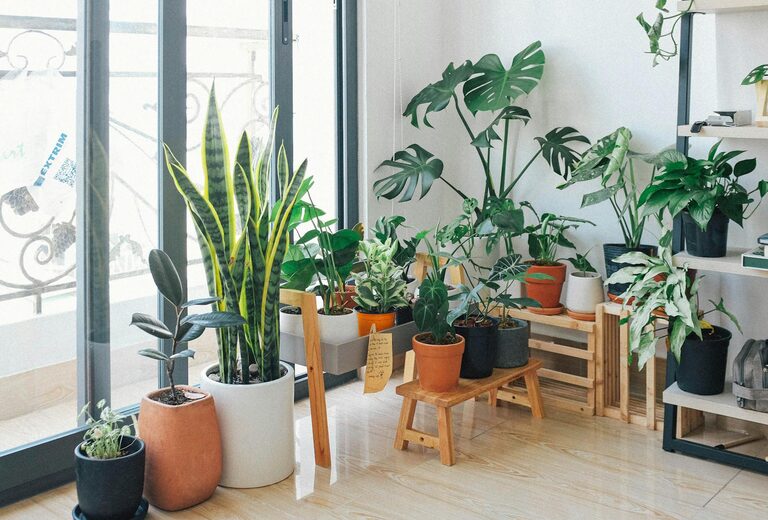
Even a few pots of herbs on a windowsill or a small vegetable patch can provide fresh, pesticide-free food.
Use Organic Gardening Practices
Avoid chemical fertilizers and pesticides. Compost and natural pest control promote soil health and biodiversity.
Creating a Healthy Indoor Environment
Use Natural Cleaning Products
Many conventional cleaners contain harsh chemicals. Opt for natural alternatives like vinegar, baking soda, or eco-friendly brands.
Increase Natural Light and Ventilation
Open windows regularly and position mirrors or light-colored decor to brighten spaces while reducing the need for artificial lighting.
Engage Your Household
Educate Family Members
Share simple sustainability tips with everyone in the home such as turning off lights when leaving a room or conserving water during showers.
Create a Sustainable Routine
Make recycling, composting, and energy-saving habits part of daily life to ensure lasting impact.
Final Thoughts
Making your home more sustainable is about thoughtful choices and small steps that add up over time. From upgrading lighting and appliances to growing your own herbs, each change contributes to a healthier planet and home. Start with what’s easiest and build from there—you’ll soon notice the benefits in your environment and your wallet.
Remember, sustainability is a journey, not a destination. Every effort counts and helps to create a better future for all.